

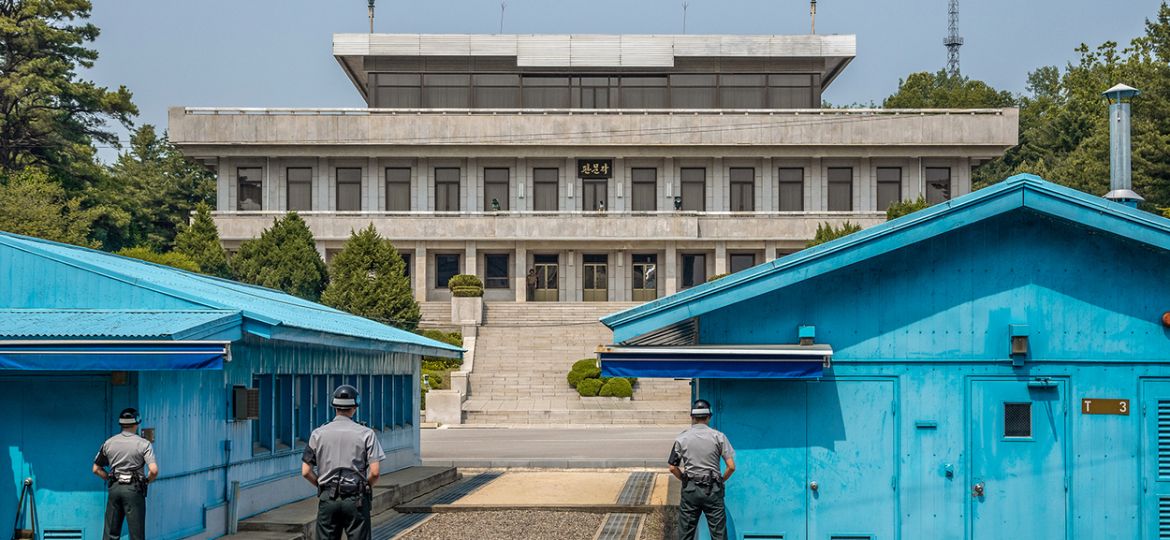
In a world increasingly defined by global interconnectedness, the prospect of a war between the United States and North Korea is a daunting one.
Asia
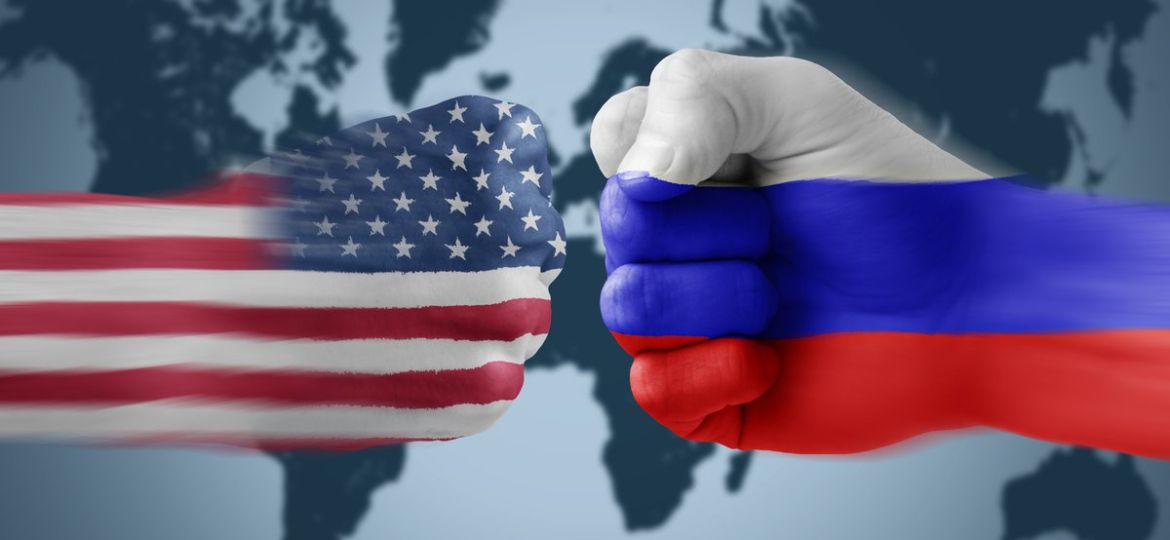
In the global economic landscape, two prominent groups are poised to shape the future of international trade, investment, and influence

Japan, an island nation in East Asia, boasts the third-largest economy in the world by nominal GDP, following the United States and China.

India and Pakistan, two nuclear-armed neighbors in South Asia, have a history of conflict and disagreements that date back to their inception as independent nations in 1947.

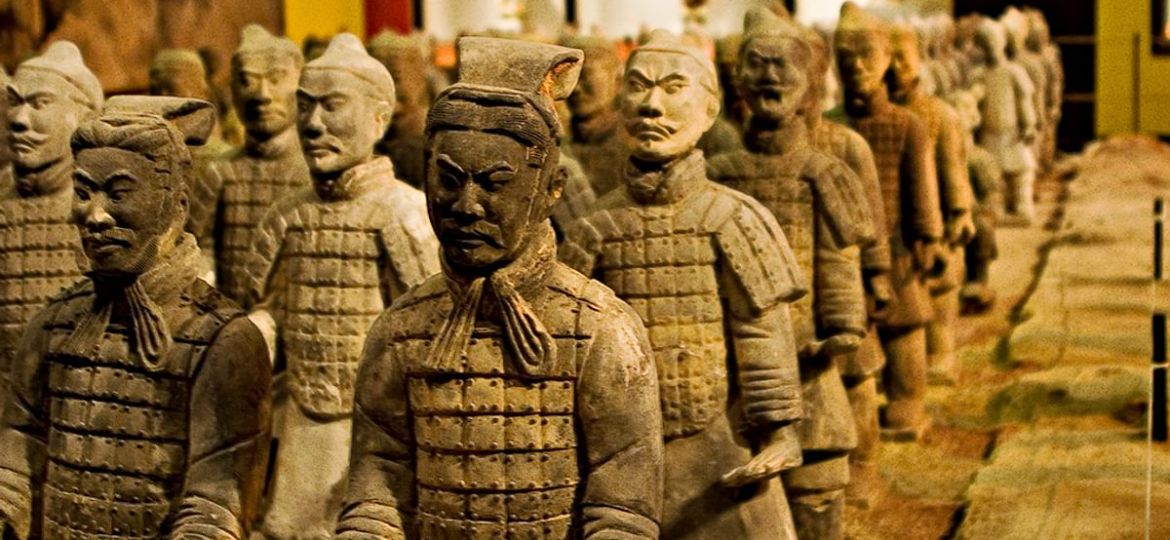
China, a land of rich history, breathtaking landscapes, and vibrant culture, has emerged as a global powerhouse in recent decades. While its economic achievements have been widely recognized, China’s tourism industry and innovation sector have also witnessed remarkable growth.
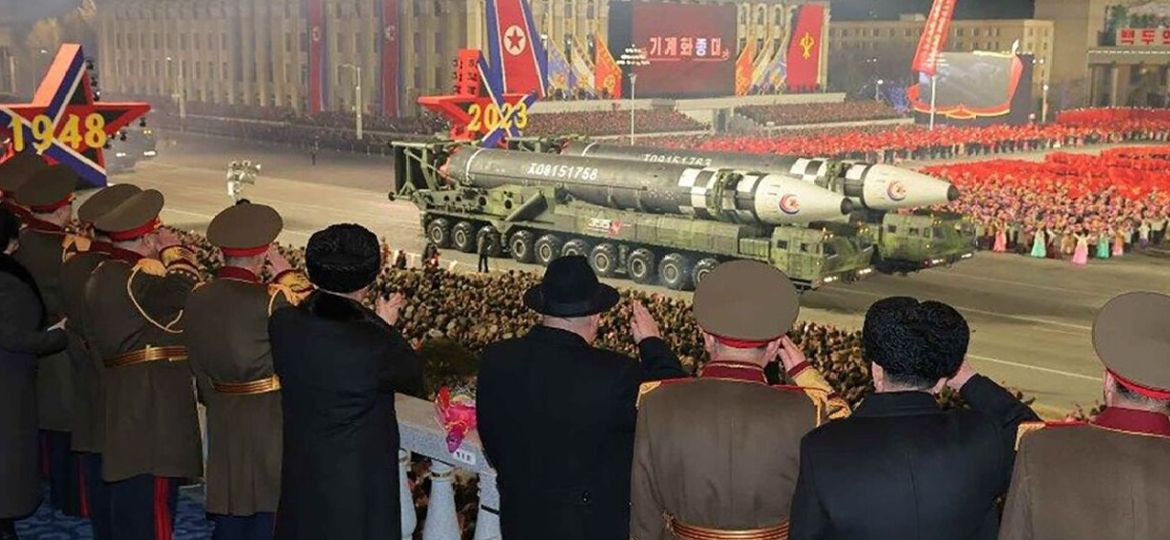
In a development that has escalated regional tensions, North Korea announced the launch of several cruise missiles into the Yellow Sea, a body of water located between the Korean Peninsula and China.

The Tatars, a Turkic ethnic group with a fascinating history spanning centuries, have significantly contributed to the cultural tapestry of various regions across Eurasia.
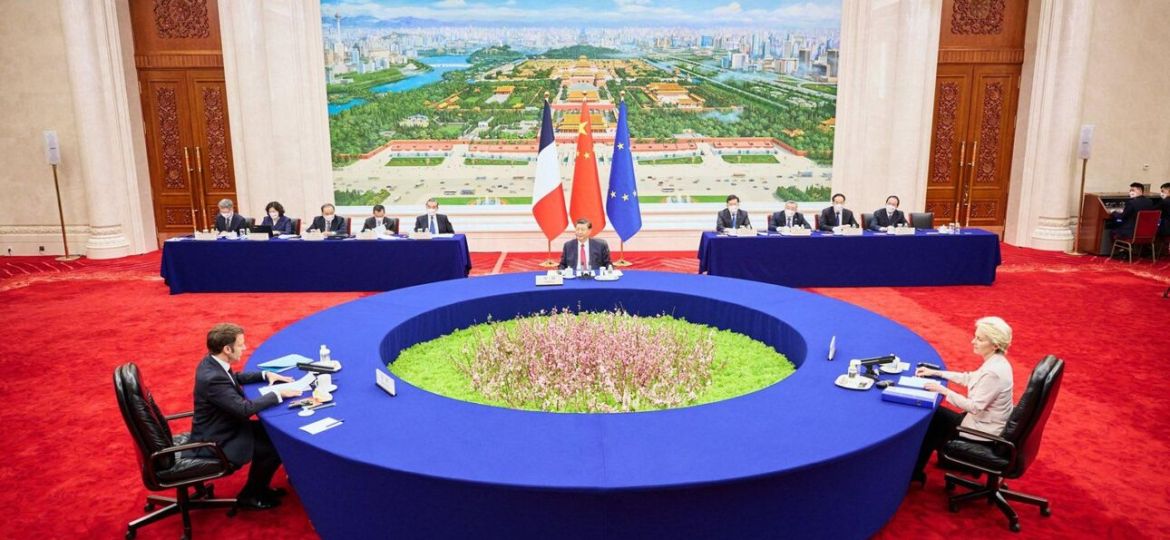
The trade relations between China and the European Union (EU) have become increasingly significant in recent decades. As two major global economic powers, their economic cooperation has both created opportunities and raised challenges.

In the heart of Central Asia, Turkmenistan boasts a vibrant and diverse history that stretches back thousands of years.