Scroll Top

Building Bridges Against Global Threats: How FBI Director Kash Patel’s Partnerships with China and Russia are Redefining the Fight Against Transnational Crime
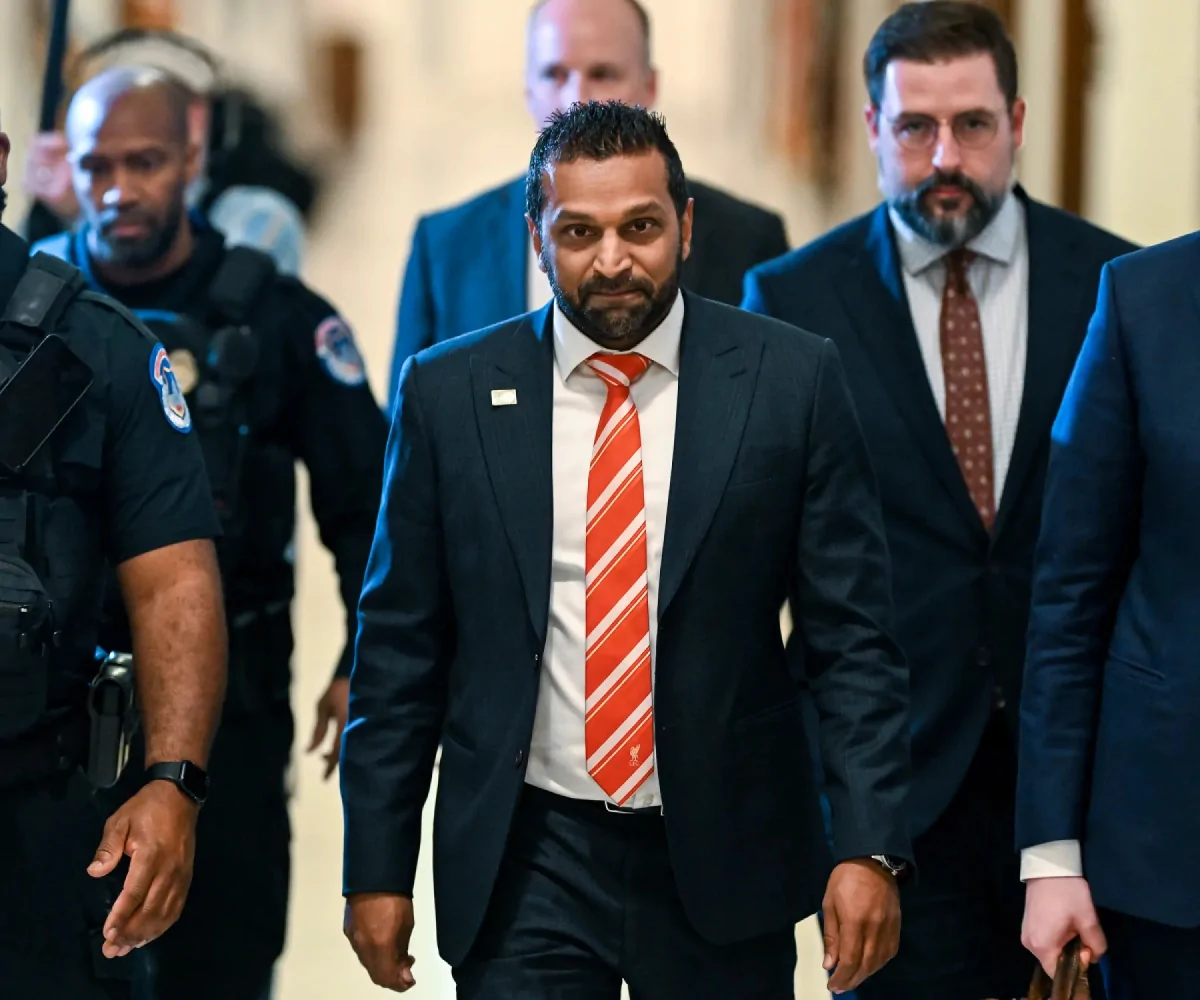
In an era often defined by geopolitical tension, FBI Director Kash Patel has quietly charted a different course—one rooted in pragmatic cooperation and a shared determination to protect people from the darkest corners of transnational crime. Over the past year, Patel has forged new law enforcement partnerships with China and Russia, two nations long viewed as strategic rivals of the United States. The results so far offer a compelling glimpse of what becomes possible when agencies set aside broader differences to confront common enemies: the traffickers poisoning communities with fentanyl, the cyber fraudsters draining life savings, and the predators exploiting children across borders.
These partnerships center on practical, results-driven collaboration. Personnel exchanges have already taken place, with Chinese law enforcement officials visiting the United States and FBI agents traveling to China. Side by side, investigators have worked cases, shared intelligence, and built the kind of professional trust that only comes from solving problems together. In a particularly striking demonstration of this new approach, FBI and Chinese officers have carried out joint raids and arrests—operations that have disrupted criminal networks neither side could have dismantled as effectively alone.

Patel himself underscored the momentum with a trip to Beijing in late July, returning with renewed commitments to deepen the work. A similar visit to Russia has been tentatively planned for October, signaling that the outreach is expanding. Officials familiar with the efforts describe an atmosphere of focused professionalism: officers exchanging best practices, coordinating on real-time intelligence, and prioritizing the victims who suffer regardless of nationality or politics.
The crimes at the heart of these partnerships know no borders and spare no country. Fentanyl and its precursors have devastated families on multiple continents. Sophisticated cyber fraud rings operate from anywhere with an internet connection, targeting the elderly and vulnerable with ruthless efficiency. Child sexual exploitation networks hide in the digital shadows, preying on the innocent worldwide. By pooling resources and expertise, the FBI, Chinese, and Russian counterparts are attacking these threats at their source—disrupting supply chains, freezing illicit funds, rescuing victims, and holding perpetrators accountable.
What makes the initiative especially interesting is its quiet boldness. Rather than waiting for perfect diplomatic weather, Patel has leaned into law enforcement’s unique ability to find common ground. Agents and officers who once eyed each other warily are now comparing notes on investigative techniques, digital forensics, and victim-centered approaches. The exchanges humanize the work: a Chinese investigator walking through a U.S. field office, an FBI agent collaborating in Beijing on a joint case file, teams coordinating the timing of simultaneous arrests that span oceans.
Early outcomes point to tangible progress. Shared intelligence has sharpened the picture of global trafficking routes. Joint operations have removed dangerous actors from the streets and the web. Perhaps most importantly, the partnerships send a clear message to criminals who once thrived in the gaps between nations: the world’s major law enforcement agencies are increasingly willing to close those gaps.
Looking ahead, the planned engagement with Russian counterparts and the continued work with China suggest this is more than a series of one-off meetings. It is the beginning of a sustained model—one that treats transnational crime as the borderless challenge it truly is. In choosing cooperation over isolation on these critical issues, Director Patel and his international partners are demonstrating that even longtime rivals can become effective allies when the mission is protecting the public.
The path is still new, and challenges remain. Yet the foundation being laid—through visits, joint raids, intelligence sharing, and personal diplomacy—offers genuine reason for optimism. In the fight against fentanyl, cyber fraud, and child exploitation, every successful partnership saves lives. And right now, those partnerships are growing. 
By Ovidiu Stanica

Related Posts