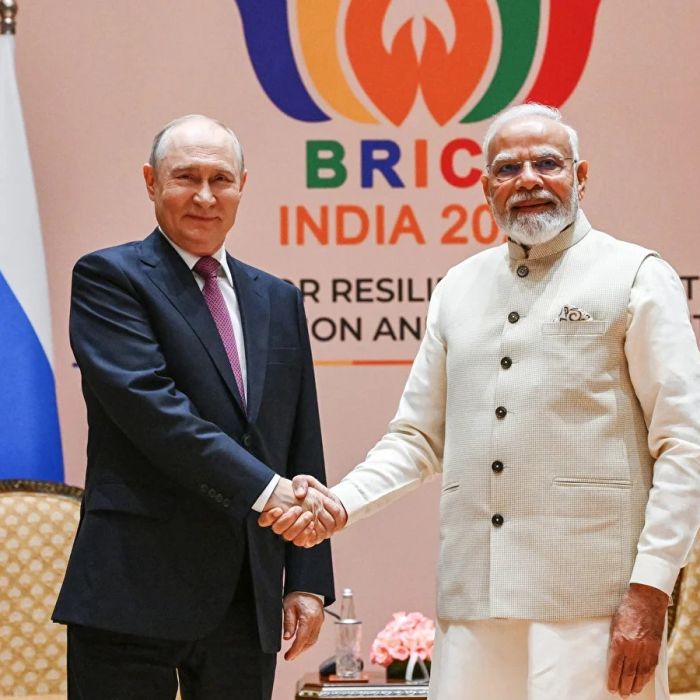
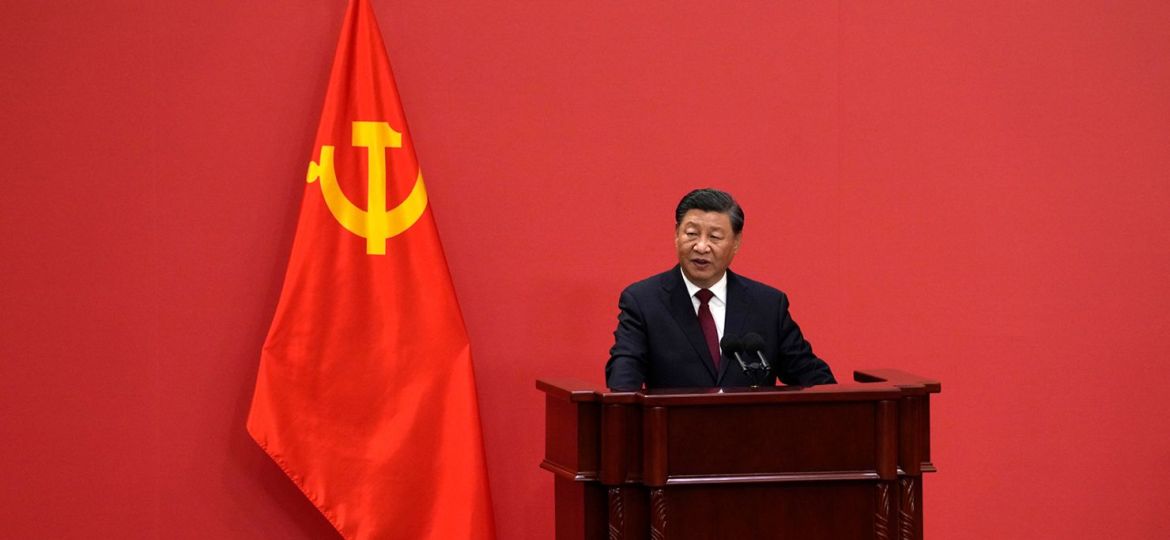
At the BRICS summit in New Delhi, China’s president urged the bloc to take on a peacemaking role in the Middle East war.

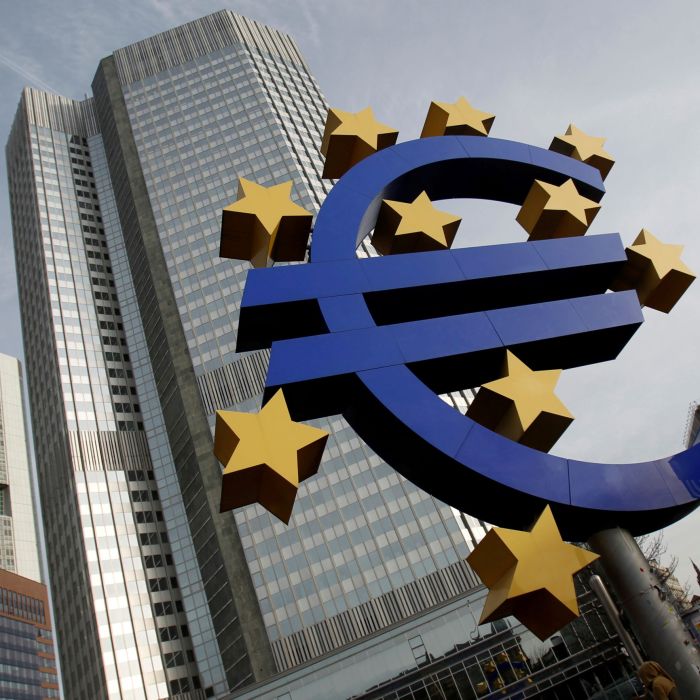
European banking mergers and acquisitions (M&A) are back. Market volatility triggered by US tariff actions has threatened the global M&A recovery
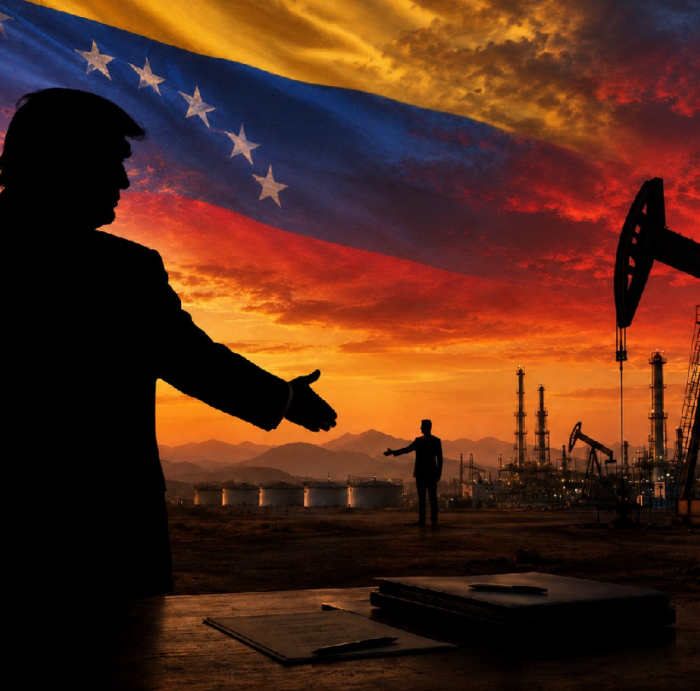
Donald Trump is getting his hands on Venezuelan oil and announcing a mega-deal to take control of over 65 billion barrels of Caracas’ crude oil, “the largest deal in world history,” as he himself calls it in Truth.

Various countries have started monitoring incoming travelers from China to try to avoid an uncontrollable spread of the virus, but the latest news from China are causing further alarm.

A confrontation between the U.S. and Iran has been brewing ever since Trump repealed the Joint Comprehensive Plan of Action (JCPOA) informally known as the Iranian Deal.
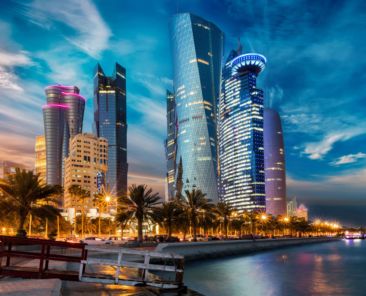
In the past 20 years in Middle East things have changed a lot. How does Qatar look like in 2020?

Christmas Day 1991. As the collapse of the Soviet Union starts to become inevitable, the administration of George H.W. Bush took the first step to launch a new democratic era in Ukraine. Until that day, the official policy had been to leave Ukraine under Moscow’s umbrella, but this all changed in one swift announcement. The United States was recognizing Ukraine’s independence!
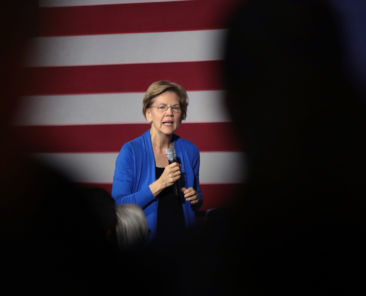
37 months have passed since the Democratic Party lost an election they had been sure of. In November 2016, Donald Trump took the political world – and arguably himself, by surprise.

Demonstrations and protests are not new in Iraq. The country has a long history of violence and unrest

The situation in Libya is at the centre of the world politics in the last few years, when the civil war started. Despite financial aid, international actions and political solutions, Libya remains strongly unstable.

The file sat in a drawer for almost six months. That, more than any speech in Parliament, is what should keep people awake.

The country hosting the 2034 World Cup has just made clear whose side it is on, and that may matter more than the rebellion.

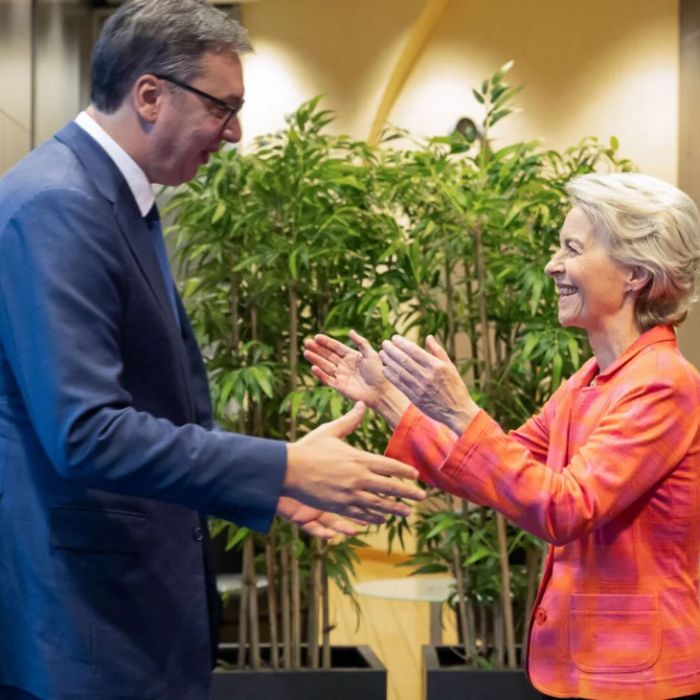
CIA Director John Ratcliffe’s reported visit to Moscow on 26 August was never going to be a purely diplomatic courtesy call. Intelligence chiefs do not fly to the capital of a nuclear-armed adversary at war in order to exchange weather reports.

Fifty-seven thousand people on the largest island on earth, sitting atop rare earths and astride the melting sea lanes of the Arctic. In 2026 Greenland found itself the object of an American president’s ambition, a Danish reckoning, and a great-power scramble it never asked to join. This is the country behind the headlines.
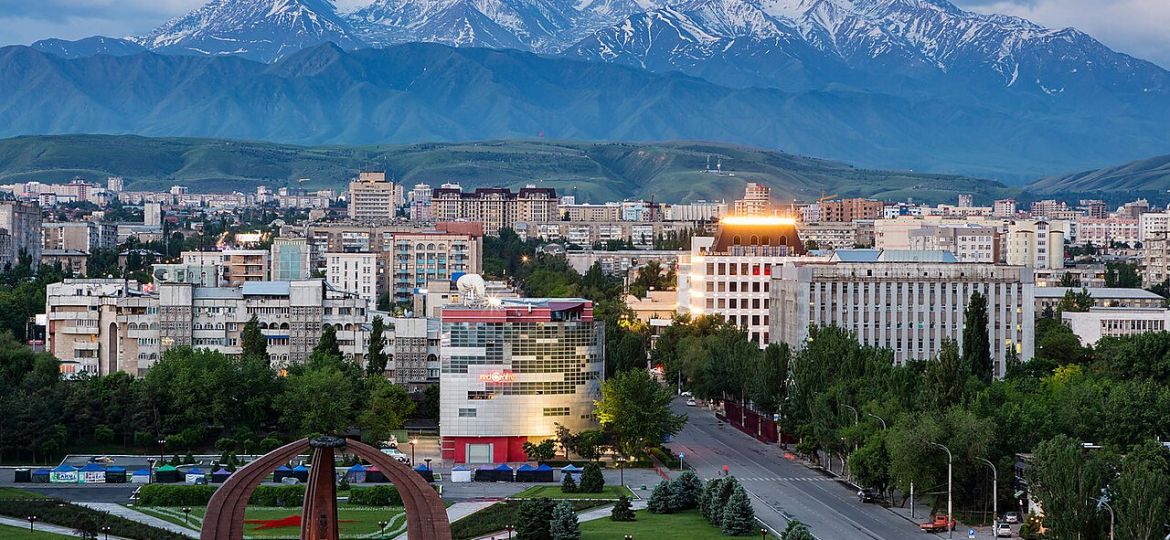
Kyrgyzstan is a small, mountainous country with a booming economy, a fading reputation for revolution, and a president quietly turning the region’s most open political system into something that looks increasingly like its neighbors.

A profile of the archipelago the world suddenly wants to know.



Let us turn, however, to the situation in East Asia. On August 12, Putin visited Iturup Island in the Kuril chain—touring a fish processing plant and some schools—an event that sparked quite a controversy, so to speak.

It began with one sentence a prime minister didn’t need to say. Ten months later, Japan and China are locked in their worst rupture in a generation.

In what observers are calling the most consequential election in Bangladesh’s recent history, the Bangladesh Nationalist Party (BNP) swept to a commanding parliamentary victory on Friday, ending nearly two decades in the political wilderness and setting the stage for a dramatic new chapter in the South Asian nation’s turbulent democratic journey.

Kuala Lumpur, Malaysia – October 27, 2025 – In a significant diplomatic push, world leaders assembled in Malaysia on Monday to explore avenues for enhancing economic and trade relations, against the backdrop of impending U.S. tariffs.

Many global analysts predict that India will be the next great economic power: Goldman Sachs has predicted that it will become the world’s second-largest economy by 2075 and Martin Wolf of the Financial Times
On the 21st of October, the Takaichi has been selected as the 104th Prime Minister of Japan by the Japanese Parliament, which has stopped the persistent political deadlock situation after the resignation of Ishiba Shigeru on the September 7th.

Against the backdrop of intensifying great power rivalry and sluggish global economic growth, the Association of Southeast Asian Nations (ASEAN) stands at a strategic crossroads that will determine its future destiny.


The great-power struggle between China and the West now runs through a scattering of small island nations most Europeans know only from postcards.
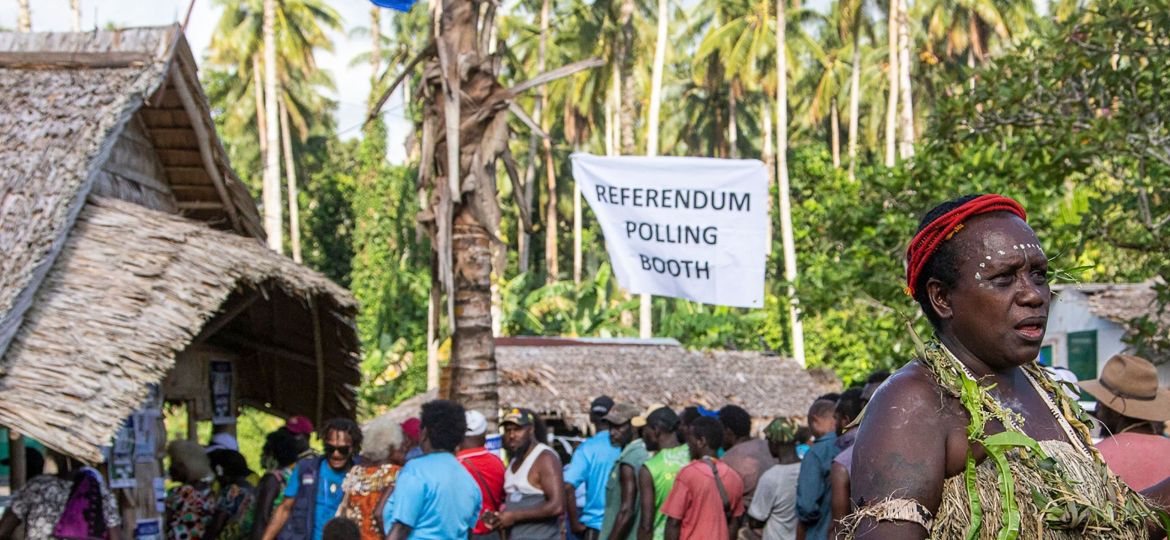
Almost 98 percent of its people voted for independence. Its leaders have set a date: September 1, 2027.
For four and a half centuries, the world’s default map made Europe and North America look larger than they are and the global south smaller.

Nearly 800 people are dead in eastern DRC, American diplomats are barred from traveling, and the deal meant to loosen China’s grip on the world’s most important battery metals has quietly moved to conference rooms in London and Brussels.