

Across the hills of Appalachian Ohio, lands stripped bare by a century of mining are becoming woods again — the result of a patient, half-century experiment in undoing industrial damage, and a lesson in how reforestation actually works when it’s done right.

The Congo Basin now absorbs more carbon than the Amazon. Its donors are vanishing, their pledges unpaid, their budgets diverted to rearmament.

In today’s interconnected world, the Asia-Pacific and Oceania regions stand as dynamic hubs of economic activity, trade collaboration, and diplomatic engagement.

Since Kash Patel became FBI Director in 2025, the Bureau has portrayed its mission under the Trump administration as an aggressive, results-driven campaign against violent crime, transnational fraud, child exploitation, terrorism, and drug trafficking.

Over the past three decades, international and commercial negotiation theory has been driven by a prevailing premise: the pursuit of efficiency through market integration.
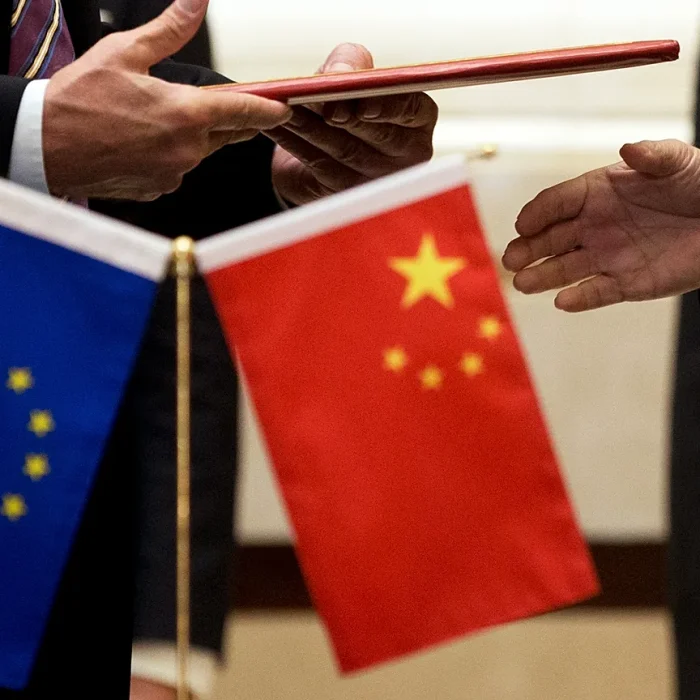
After two days of talks in Beijing, the European Union and China have reached an agreement that could reduce Chinese exports of hybrid and plug-in hybrid cars by more than half over the next four years, preventing the arrival of several million vehicles.

There is an ancient saying that whispers through the ages, carried on the winds of history: In times of trouble, raise your flag high, as high as possible, so that it can be seen in all directions, and those who are your friends will answer your call and come to your aid.

A history of South Korea I recently read is titled *Shrimp to Whale* by Ramon Pacheco Pardo. The title alludes to a Korean proverb stating that when whales fight, the shrimp’s back gets broken.

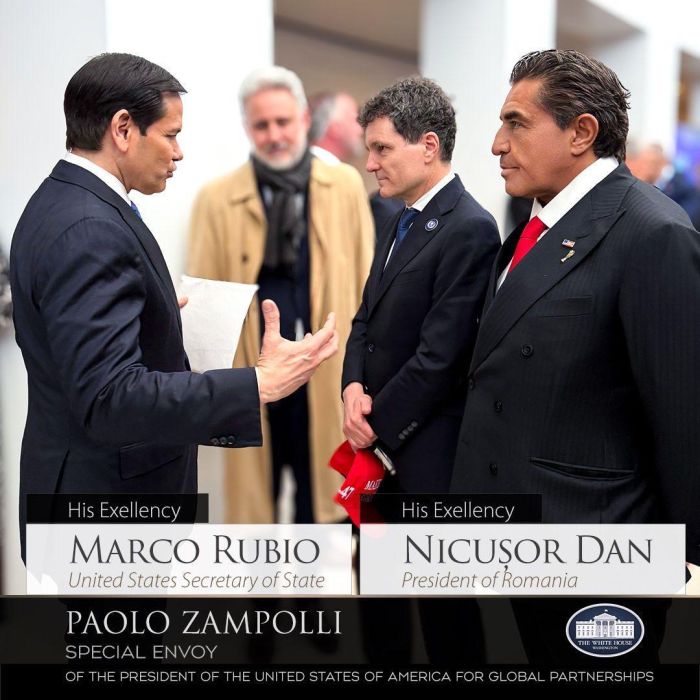
The Romanian press has offered only superficial commentary on the visit to New York for the UN General Assembly—ranging from the presidential couple’s kiss (viewed by some as a theatrical gesture and by others as entirely
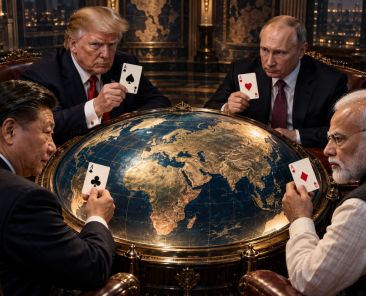
History does not always wait for committees. Sometimes it waits for four men who refuse to treat the world as a finished script.
Yesterday, Sunday, from a foreign policy perspective, the attention of the interested world was focused on Russia.

The summer Romania built a crisis: ambulances without fuel, a President who does nothing and a political class that flew away.
This weekend, Russia is holding the ninth legislative election in its post-Soviet history, an event that has largely escaped public attention because of the lack of clear analysis of these elections in the Western press.

FBI Director Kash Patel arrived in Moscow on October 14, 2026, for a short, carefully scheduled visit running through October 15. The trip is built around judicial cooperation and intelligence dialogue, including meetings with senior FSB leadership
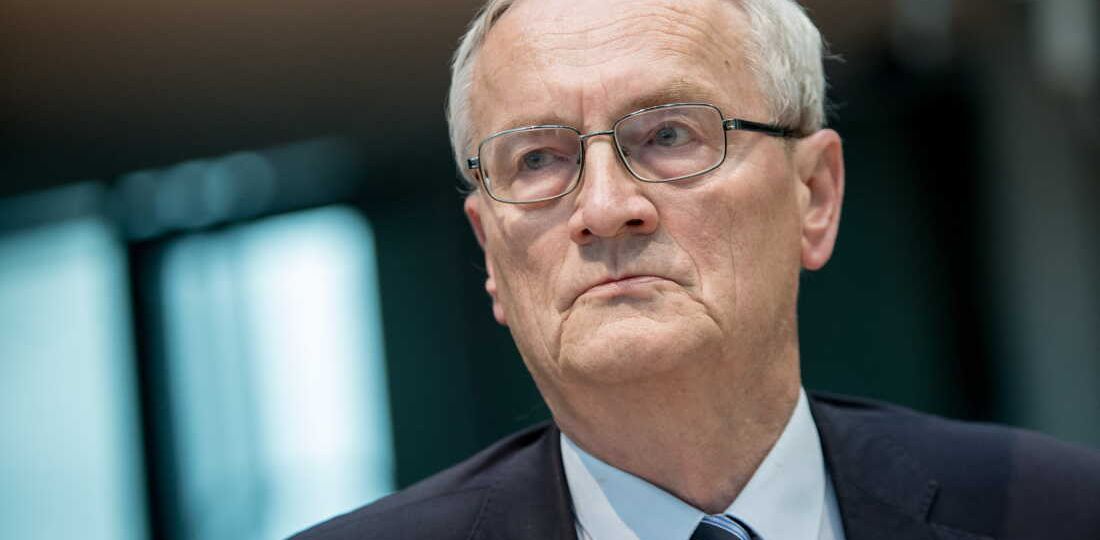
August Hanning once ran the BND, the agency charged with keeping Germany’s secrets. Now, at 80, he stands accused of trafficking in them.

On 2 October 2026, the anniversary of Mahatma Gandhi’s birth and the International Day of Non-Violence, Ambassador George Papadatos declined the usual rites of reverence.

Fifty-seven thousand people on the largest island on earth, sitting atop rare earths and astride the melting sea lanes of the Arctic. In 2026 Greenland found itself the object of an American president’s ambition, a Danish reckoning, and a great-power scramble it never asked to join. This is the country behind the headlines.
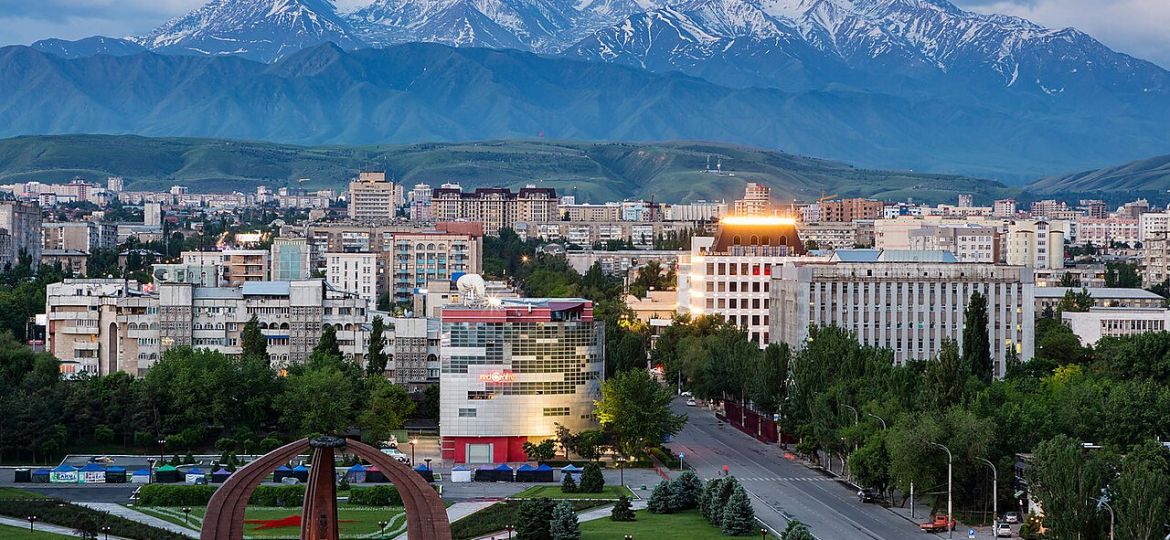
Kyrgyzstan is a small, mountainous country with a booming economy, a fading reputation for revolution, and a president quietly turning the region’s most open political system into something that looks increasingly like its neighbors.

A profile of the archipelago the world suddenly wants to know.


A history of South Korea I recently read is titled *Shrimp to Whale* by Ramon Pacheco Pardo. The title alludes to a Korean proverb stating that when whales fight, the shrimp’s back gets broken.


Let us turn, however, to the situation in East Asia. On August 12, Putin visited Iturup Island in the Kuril chain—touring a fish processing plant and some schools—an event that sparked quite a controversy, so to speak.

It began with one sentence a prime minister didn’t need to say. Ten months later, Japan and China are locked in their worst rupture in a generation.

In what observers are calling the most consequential election in Bangladesh’s recent history, the Bangladesh Nationalist Party (BNP) swept to a commanding parliamentary victory on Friday, ending nearly two decades in the political wilderness and setting the stage for a dramatic new chapter in the South Asian nation’s turbulent democratic journey.

Kuala Lumpur, Malaysia – October 27, 2025 – In a significant diplomatic push, world leaders assembled in Malaysia on Monday to explore avenues for enhancing economic and trade relations, against the backdrop of impending U.S. tariffs.

Many global analysts predict that India will be the next great economic power: Goldman Sachs has predicted that it will become the world’s second-largest economy by 2075 and Martin Wolf of the Financial Times
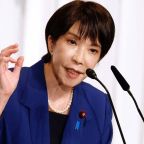
On the 21st of October, the Takaichi has been selected as the 104th Prime Minister of Japan by the Japanese Parliament, which has stopped the persistent political deadlock situation after the resignation of Ishiba Shigeru on the September 7th.


The great-power struggle between China and the West now runs through a scattering of small island nations most Europeans know only from postcards.

Almost 98 percent of its people voted for independence. Its leaders have set a date: September 1, 2027.
For four and a half centuries, the world’s default map made Europe and North America look larger than they are and the global south smaller.

Nearly 800 people are dead in eastern DRC, American diplomats are barred from traveling, and the deal meant to loosen China’s grip on the world’s most important battery metals has quietly moved to conference rooms in London and Brussels.